
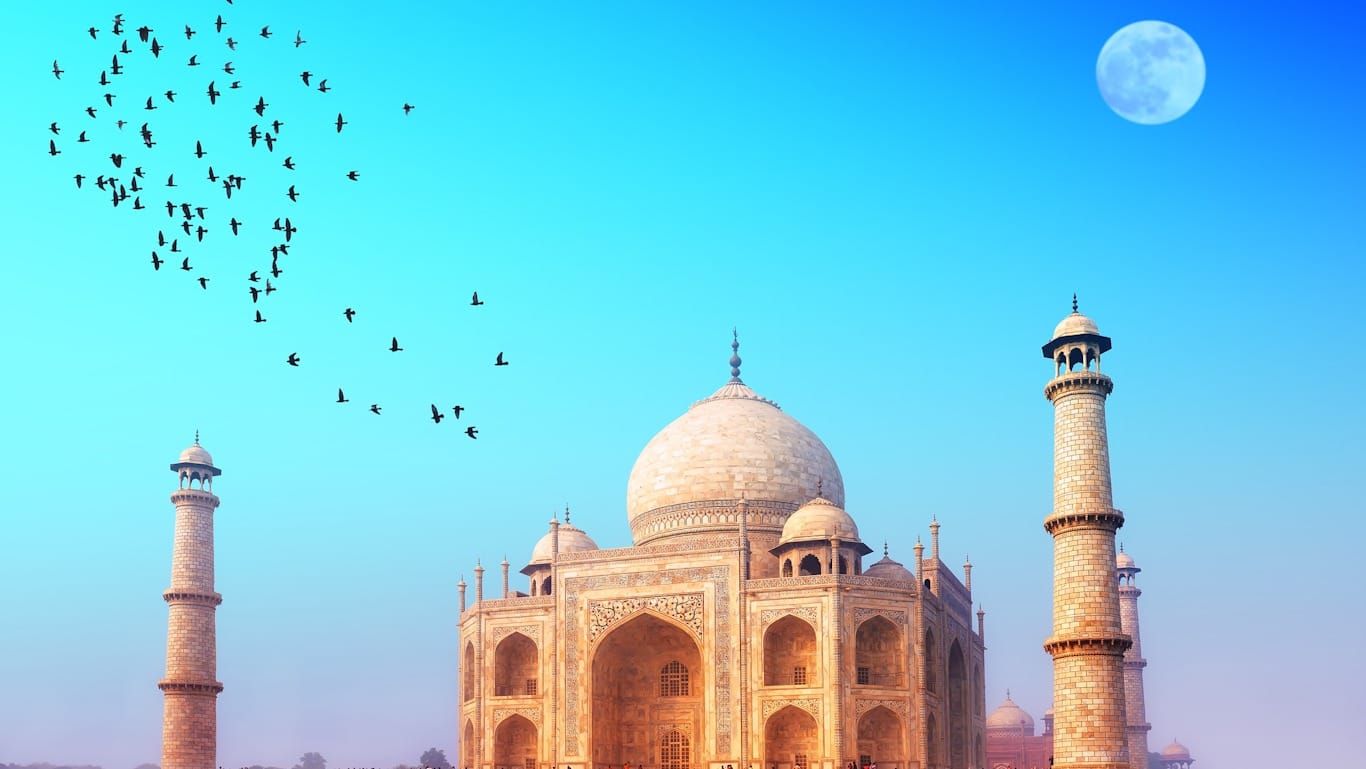
I guess if you landed here is because you are planning your trip to India to visit the Taj Mahal or dreaming of visiting it someday and want to get inspired. If so, you are at the right place! In this SUPER GUIDE from MiViajealaIndia about the Taj Mahal I will tell you everything you need to know. The history of the museum, tips for your visit, where to buy your tickets, the rules of the enclosure, the best places to enjoy this masterpiece and much more.
Today, the Taj Mahal receives more than 7 million visitors a year and is a must for all those who travel to India. I personally recommend that you visit it at least once in your life because it is a magical experience to stroll through its gardens and enjoy the beauty of this white marble poetry that still has many stories to tell.
What is the Taj Mahal?
The Taj Mahal is a mausoleum, a funerary monument, and not a palace or a temple as many believe.
What does Taj Mahal mean?
The word Taj comes from Persian and means "crown" and Mahal means "palace". The literal meaning of Taj Mahal is "The Crown of the Palace".
Where is the Taj Mahal? The location of the Taj Mahal
Many people wonder where the Taj Mahal is, since it looks like something out of a fiction movie. Well, the Taj Mahal is located at the city of Agra on the banks of the Yamuna river. Agra was the former capital of the Mughal Empire (descendants of the Mongol Empire in India and founded by the Mughal leader Babur in 1526). It is located about 200 km away from New Delhi, the capital of India. Now that you know where the Taj Mahal is...let's go with its beautiful and interesting history.
The history of the Taj Mahal
I accompany you to discover the history of the Taj Mahal, its origin, its legends and the secrets about its construction... and many curiosities!
A tale of love: the origin of the world's most beautiful mausoleum
Love at first sight
Prince Khurram, born in Lahore in 1952 and son of Emperor Jahangir, was the fifth Mughal emperor of India and ruled for 30 years in the Mughal dynasty. He was known as the great Shah Jahan or "the Emperor of the World". Khurram and Arjumand Banu Begum, granddaughter of a Persian nobleman, they met in 1607 at a bazaar while she tried on a diamond necklace he bought her to captivate her. The prince fell madly in love with her and although he already had 2 wives in his harem, they were immediately engaged even though she was only 14 years old.
The wedding of Shah Jahan and Mumtaz Mahal
They married 5 years later, in 1612, when she was 19 years old. The astrologers considered it to be the best date for the eternal happiness of marriage. Once married, Khurram bestowed upon her the title Mumtaz Mahal, "the Pearl of the Palace" or "the Chosen One of the Palace". Mumtaz Mahal was the prince's third wife but the only one with whom he was in love and whom he loved beyond measure. After his marriage, he gave himself to her body and soul.
Over the next few years he married more women to continue the tradition but never looked upon any of his other ten wives as "the Chosen One of the Palace". There was complicity, trust and unbridled passion between them. She accompanied him on his travels throughout the kingdom and even participated in the emperor's decision making (something not very common at that time). Their union lasted for 19 years and throughout those years had 14 children of which 4 died at birth or during early childhood.
Mumtaz Mahal and his death
In 1631 Mumtaz Mahal died during childbirth of her last daughter, Gauhara Begum, while accompanying the emperor on one of his military campaigns. "The Chosen One of the Palace" was temporarily buried in a garden in Burhanpur on the banks of the Tapti River, known as Zainabad. Already on her deathbed, Mumtaz Mahal made her beloved to promise that he would make her the most beautiful grave imaginable and that he would visit her every year on the anniversary of her death. A few months later, the emperor ordered the exhumation of the body and it was transported in a golden coffin to the banks of the Yamuna River in Agra.
The sadness of the emperor
After her death, Shah Jahan locked himself up for months in his palace the Red Fort. He went into total seclusion and it took him almost a year to show himself in society. When he regained strength to fulfill the promise he had made to his beloved, he left the palace and the people were surprised to see him with completely gray hair and with a haggard and aged appearance, the effects of the immense sadness in which he was immersed after the loss of his great love.
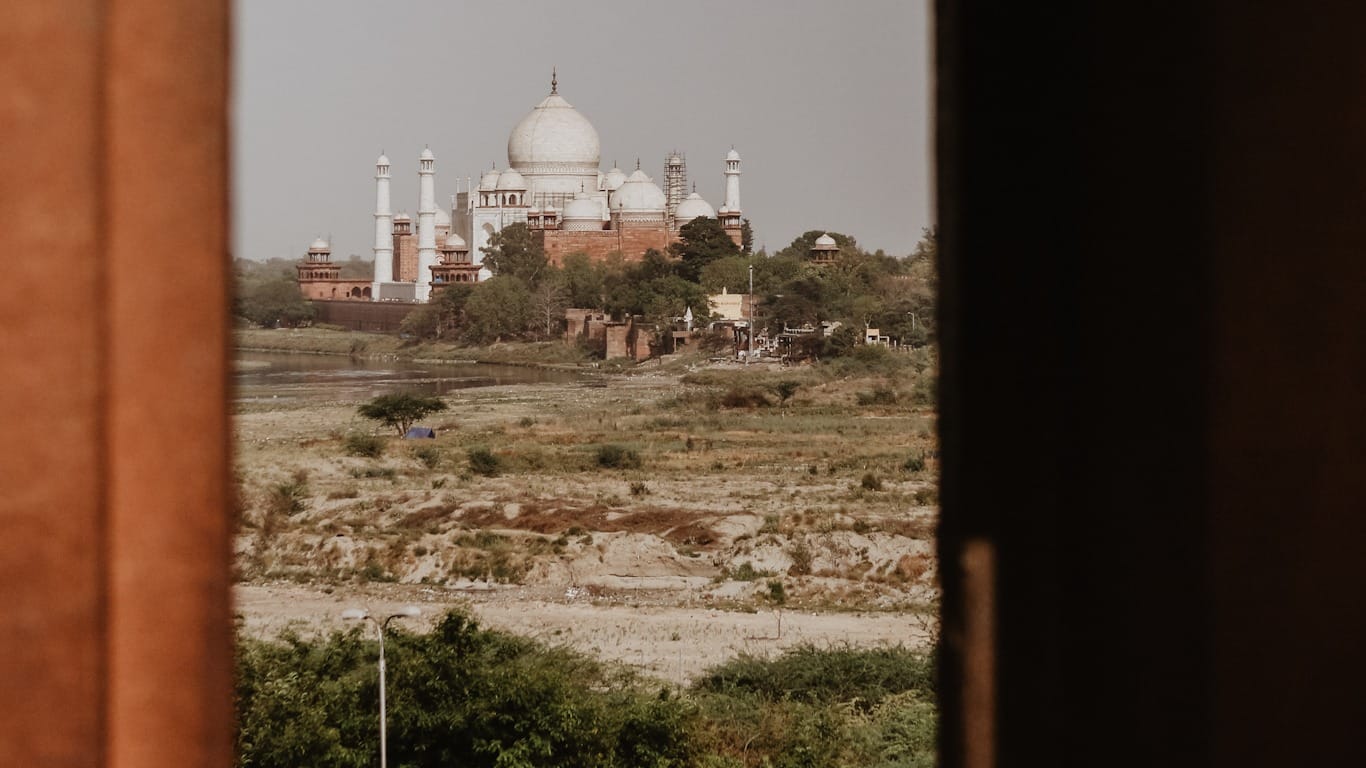
The emperor devoted all his time, energy and wealth to the construction of the most beautiful mausoleum in history built to honor the memory of his beloved one. His last years of life were spent as a prisoner in the Red Fort. He had rooms that overlooked the Taj Mahal and even in his last days of life a mirror was installed that allowed him to see the mausoleum with the remains of his beloved from his deathbed until his last breath. The emperor died in 1688 at the age of 74. At that time and due to his rank, he deserved a mausoleum of his own but his son Aurangzeb decided to take him to his mother's side, where a cenotaph was installed that breaks the perfect symmetry of the Taj Mahal.
The construction of the Taj Mahal
It took 22 years to build the Taj Mahal,from 1632 to 1653. The complex of buildings occupies 17 hectares where the majestic white marble mausoleum, a mosque, a guest house or pilgrims and the impressive gardens with their respective canals are located. For its construction 20,000 people and more than 1,000 elephants were needed, to transport the materials from different parts of the country. The emperor spared no expense, seeking out the best architects and craftsmen from East and West to build a mausoleum of sublime architecture that blends Indian, Persian and Islamic styles.
The materials
The best materials were chosen for the construction. The white marble was brought from the Makrana quarries in the state of Rajasthan, from Tibet, China and Afghanistan. Semi-precious stones such as sapphires from Ceylon, jade from China, turquoise from Tibet, lapis lazuli from Afghanistan, quartz from the Himalayas, amethysts from Persia, amber from the Indian Ocean, and even diamonds from Golconda were used for the engravings and floral details on the walls.
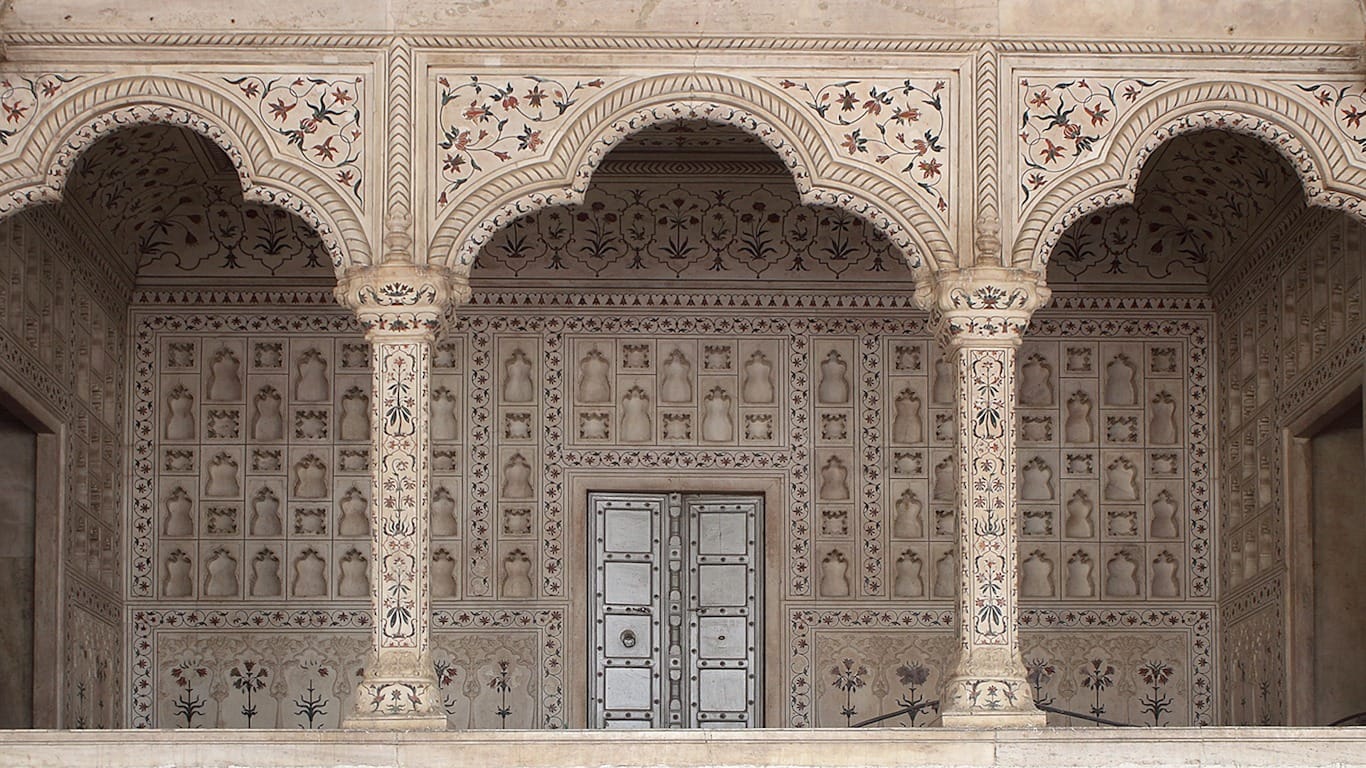
The walls are inscribed with verses from the Koran referring to paradise. An architectural jewel that cost around 50 million Indian rupees. The mausoleum was the most expensive construction of the time. The emperor took care of every detail so that the mausoleum would be the best work ever designed. So much so that during its construction the Yamuna River was diverted so that the Taj Mahal could be reflected in its waters..
In 1653, once the construction of the Taj Mahal was completed, the emperor ordered the hands of all the architects and craftsmen involved in the complex to be cut off to prevent them from making a replica of his homage to Mumtaz Mahal. The Taj Mahal should be unique as was their love story for each other.
Inside the Taj Mahal: design and symbology
This mausoleum will always be themost prized jewel of Muslim art in India and there the lovers will rest eternally side by side.
The complex
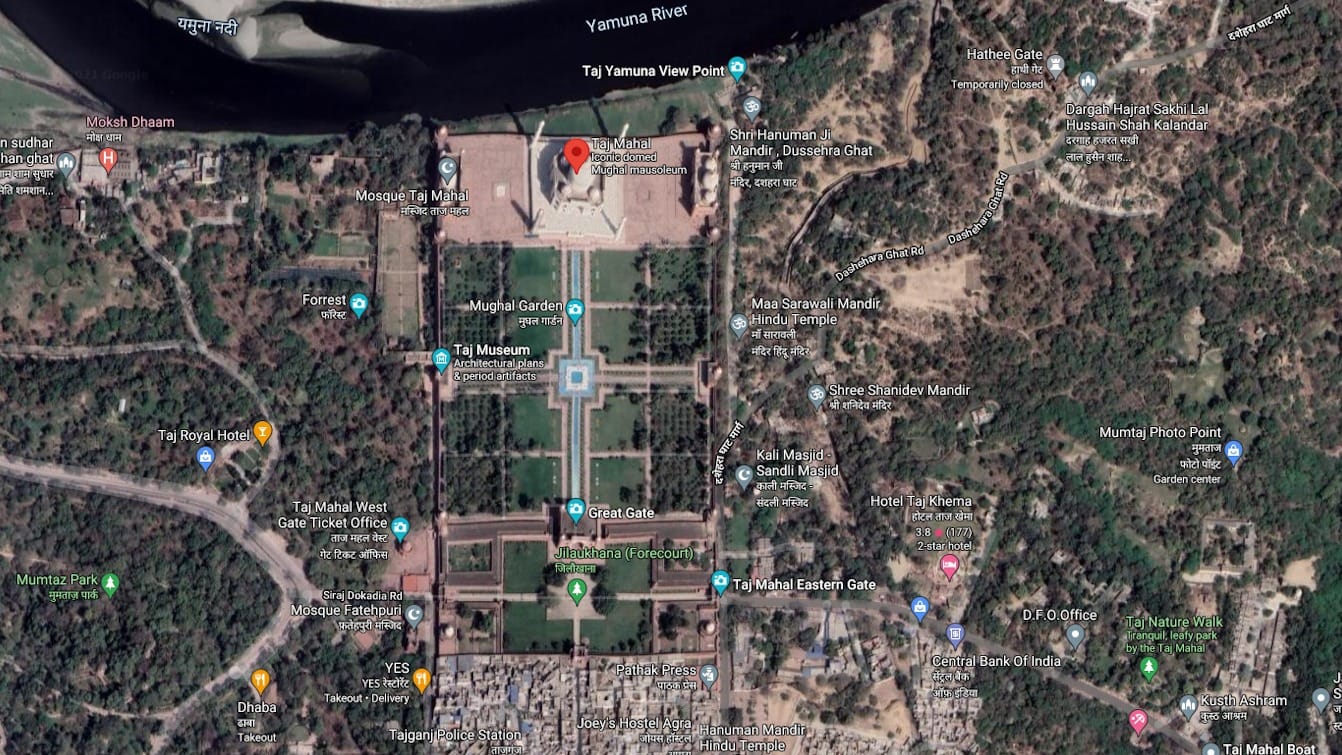
Islamic symbolism is the mainstay of the design of the Taj Mahal complex. It is It is an architectural representation of life according to the Islamic religion. The complex was designed with two distinct and symmetrical zones. The complex was designed with two distinct and symmetrical zones. The zone of paradise and the zone of mundane activities, dedicated to bazaars and markets. Between the two, a red sandstone gate, called Dwarza, was built to symbolize the separation of the earthly world and paradise.
The gardens
The mausoleum is preceded by a beautiful garden that is the earthly representation of paradise. It is composed of 4 sections with canals that converge in a pond in the center of the garden. The canals represent the rivers of paradise according to the Koran and the pond symbolizes the heavenly pool that quenches the thirst of the faithful when they reach paradise.
The mausoleum in honor of Mumtaz Mahal
The interior of the Taj Mahal is divided into 8 zones that represent the 8 paradises described in the Koran and the tomb of Mumtaz Mahal is located in the center of them. This is the only white marble construction in the entire complex and its color symbolizes purity and spirituality. The other constructions of the complex are made of red sandstone, a typical material in the constructions of the Mughal Empire in India. How big is the Taj Mahal? It is 170 meters high and the dome alone occupies 35 meters. It has 22 domes and these symbolize the 22 years dedicated to the construction of the mausoleum and the surrounding complex.
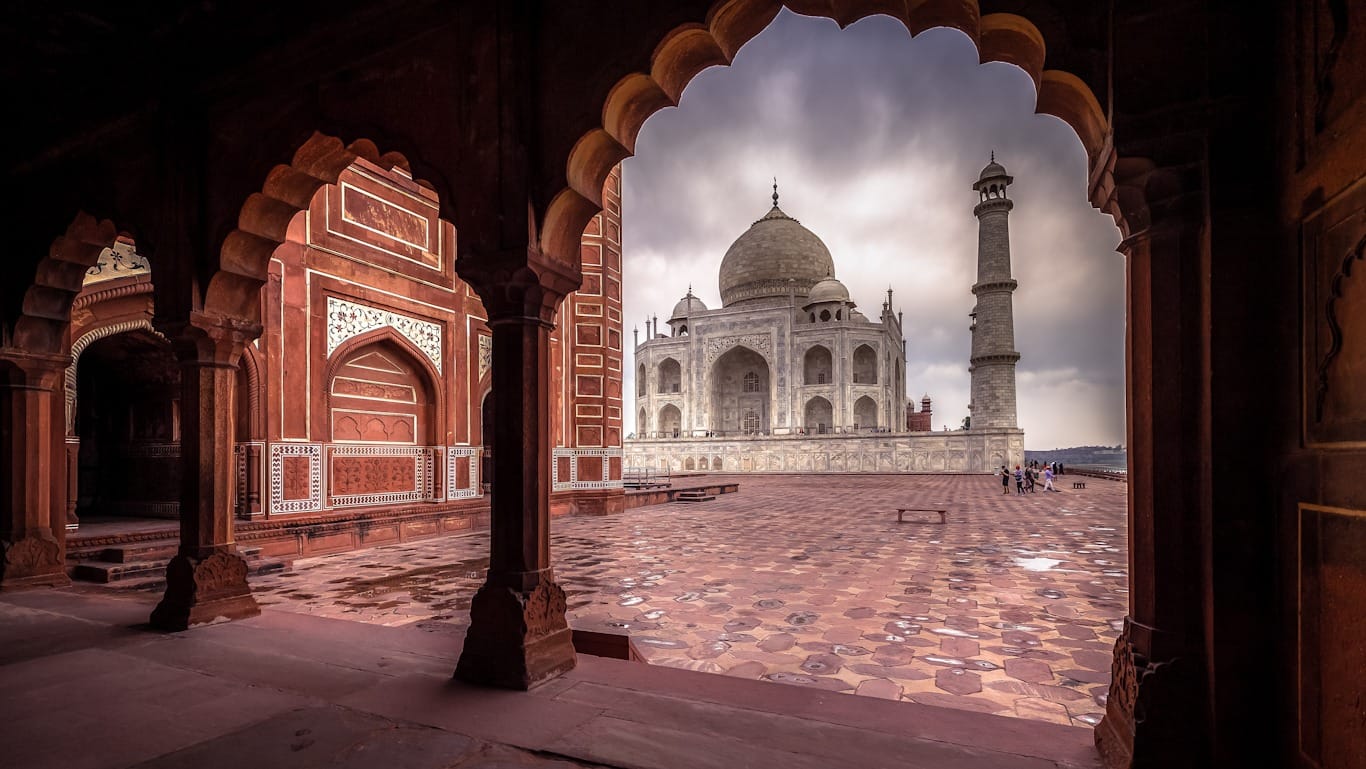
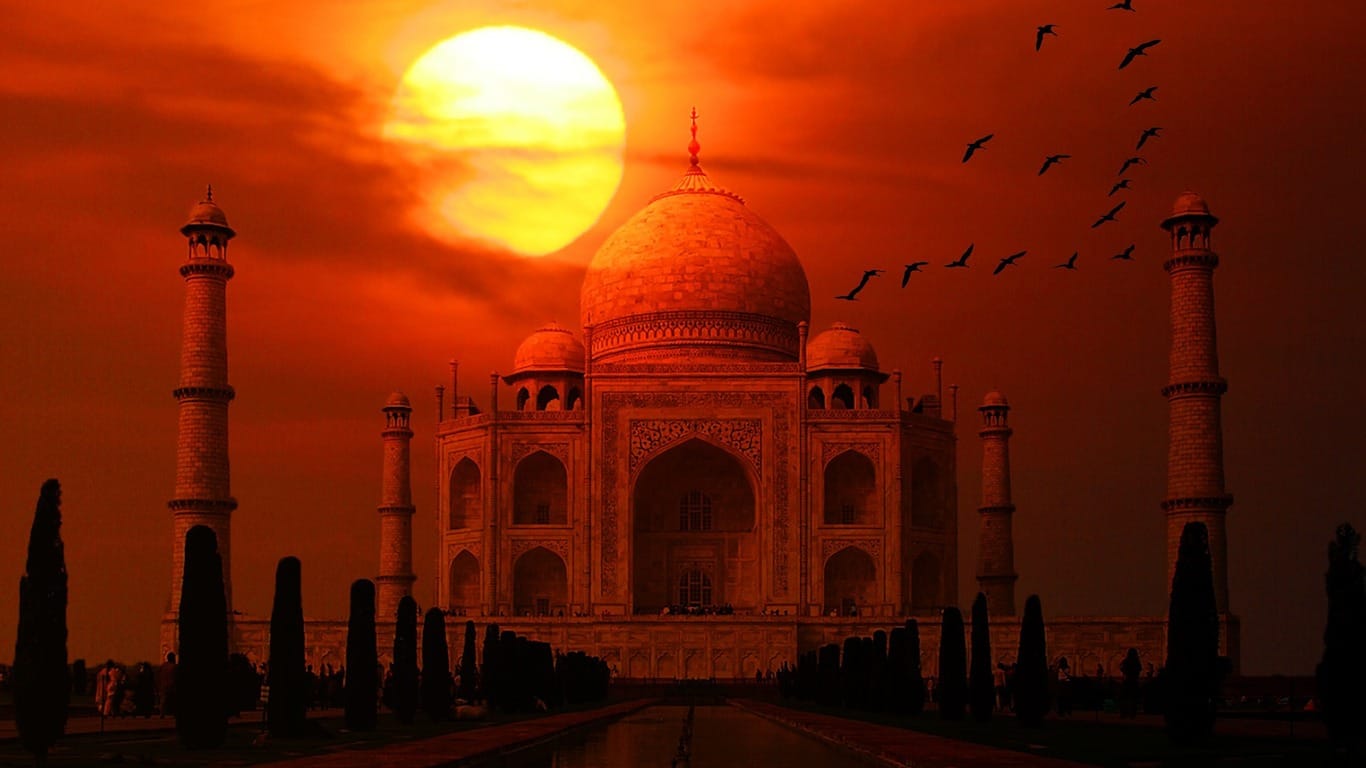
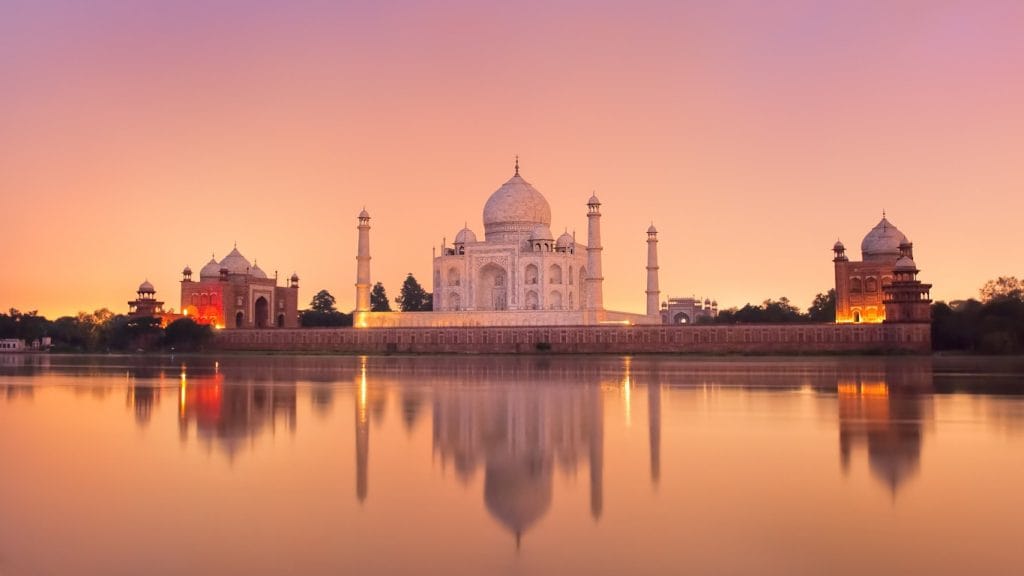
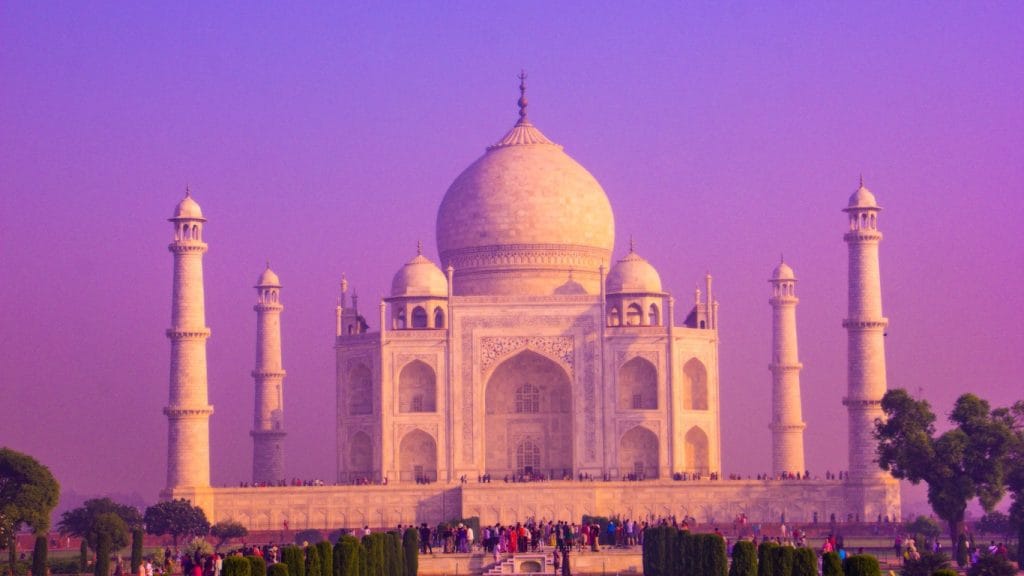
The color of white marble changes depending on the sunlight. It is displayed with pinkish tones during sunrise and intense golden tones during sunset at dusk. The calm water of the Yamuna River has the effect of a mirror and the shimmering reflections on it give the sensation of a "floating tomb". The whole enclosure is perfectly symmetrical, has a beautiful geometry and is full of symbolism
There is only one element that breaks the majestic symmetry of the place and that is the tomb of the emperor Shah Jahan himself who was buried there years after its construction and by order of his son who decided to place the remains of the emperor next to his mother so that they would rest together in eternity. For both, cenotaphs were arranged in the main hall of the mausoleum but his remains rest in a chamber below and with his head facing Mecca. The Taj Mahal inside is a haven of peace where you will see both tombs and remember that you can not take pictures of this area.
Other buildings
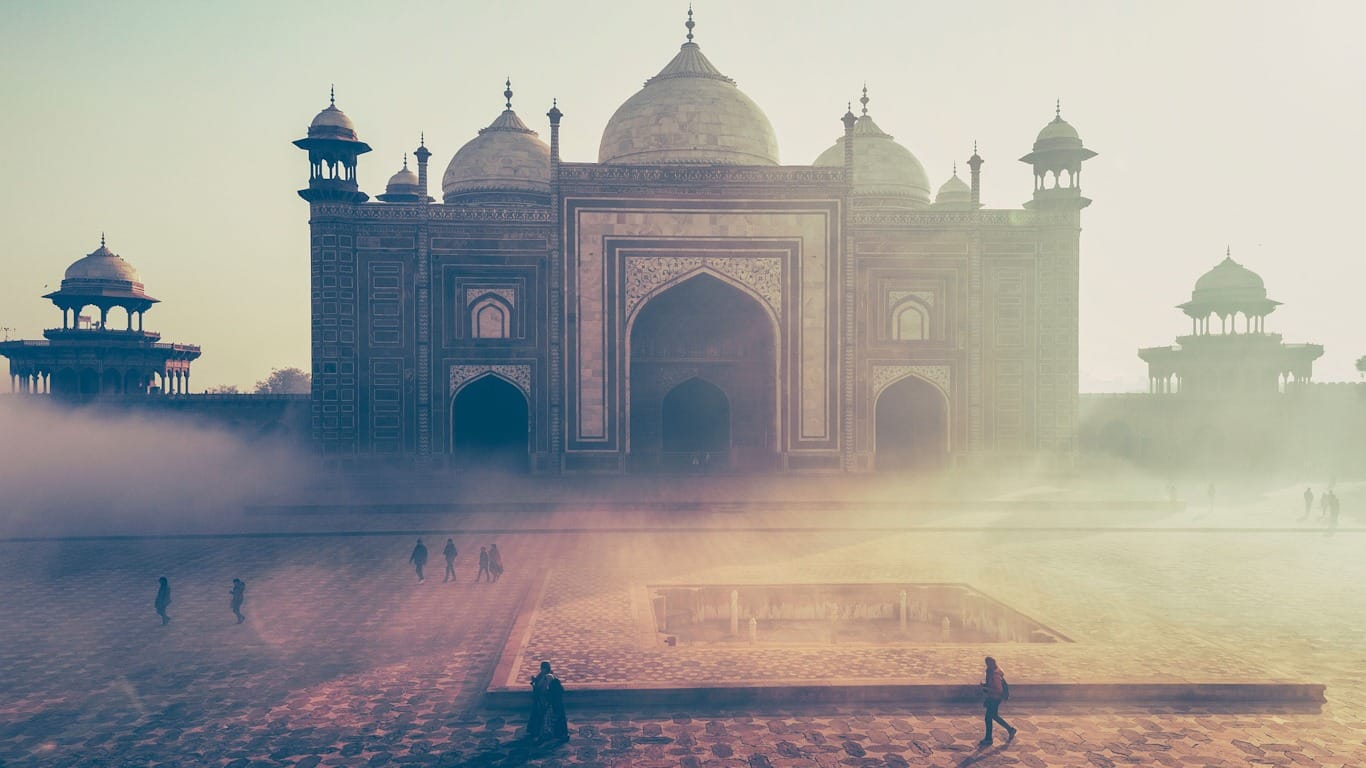
The complex also has a Mosque and a guesthouse. Both buildings are situated parallel to each other and built in red sandstone. During the British rule in India, many of the precious stones embedded in the walls of the mausoleum disappeared and there was a restoration project of the complex in which they remodeled the gardens in the French style leaving behind the symbolism of the paradise full of cypress trees and flowers.
Interesting Facts about the Taj Mahal
- It is considered as the most important architectural work of the Mughal style . The Taj Mahal has transcended borders and in 1983 was declared as the most precious jewel of Islamic art. World Heritage Site by the United Nations Educational, Scientific and Cultural Organization UNESCO and since 2007 is one of "The New Seven Wonders of the Modern World".
- At the literary level, he has also left his mark. Rebindranath TagoreIndian poet and Nobel laureate in literature, described the Taj Mahal as "a solitary tear suspended on the cheek of time". A beautiful way to refer to the most majestic and beautiful monument made by love throughout history.
- Disney was inspired by the Taj Mahal for the creation of the sultan's luxurious palace. "Aladdin". The film takes place in a fictional destination called "Agrabah" which is inspired by the city of Agra, its bazaars and the banks of the Yamuna River. If you are wondering where the Taj Mahal is, don't think of Agrabah, as it is a fictitious destination for the movie and you won't find it on the map 😊.
- Taj Mahal LEGO. In 2008 the LEGO brand released a toy model of the Taj Mahal. It consists of 5923 pieces so you can build a replica of the Taj Mahal in detail.
- Taj Mahal is the first Indian monument to have a maternity ward for visitors to breastfeed their babies
The Black Taj Mahal
The Black Taj Mahal is one of the greatest enigmas of the city of Agra. Did you know that the architectural poem we know is perhaps unfinished and there are more verses on the other side of the river?
The legend of the Black Taj Mahal
Shah Jahan, emperor of the Mughal dynasty, had plans to build a replica of the Taj Mahal for his own remains. It would be identical to the original but made of black marble and would be built on the opposite bank of the Yamuna River. Two mausoleums with their symmetrical gardens where the river itself would be like a canal designed for the occasion. Both mausoleums would be joined by a bridge, thus representing their union and eternal love.
The Black Taj Mahal was never built because one of the sons he had with his beloved Mumtaz Mahal, Aurangzed, imprisoned him in the Red Fort once he took power and command of the Empire. As a prisoner, Shah Jahan asked to be placed in a room in the fortress from which he could see the mausoleum of his beloved wife. Even in his last days of life he made use of a mirror to observe the cenotaph from his deathbed until his last breath.
The Black Taj Mahal - Fact or fiction?
The history of the Black Taj Mahal is somewhat uncertain and there are several versions of it. On the one hand there are those who confirm that the black mausoleum existed but over the years it was destroyed leaving only the gardens with a pond.
On the other hand there are those who believe that its construction was never carried out, although perhaps it was an ephemeral plan of the emperor and as proof of this will always remain these gardens and the pond on the other side of the Yamuna River.
Others hold the idea that in the Mehtab Bagh gardens there would be a large pond where the reflection of the mausoleum would design a black version of the beautiful original funeral monument.
Clues to the existence of the Black Taj Mahal
There are indications that the legend of the Black Taj Mahal comes from the stories of Jean Baptiste Tavernier, a French traveler and merchant who visited Agra during the years of construction of the mausoleum of Mumtz Mahal. A journey in which he wrote his book "The Six Journeys", where he narrates the emperor's intention to build his own mausoleum on the other side of the river.
But where is the Black Taj Mahal? In the 1990s excavations began at the supposed location of the Black Taj Mahal. Remains of black marble were found, which turned out to be white marble that had deteriorated and darkened over time.
Breaking symmetry and Mughal design
The tombs of the Mughals were always located in the center of the gardens, forming an "X". In the design of the Taj Mahal complex, the mausoleum is at one end of the beautiful gardens forming a "T". This may indicate that this architectural work did not end in the vicinity of the complex dedicated to Mumtaz Mahal on the south side of the Yamuna River and that perhaps there were plans to continue its construction on the north side of the Yamuna River.
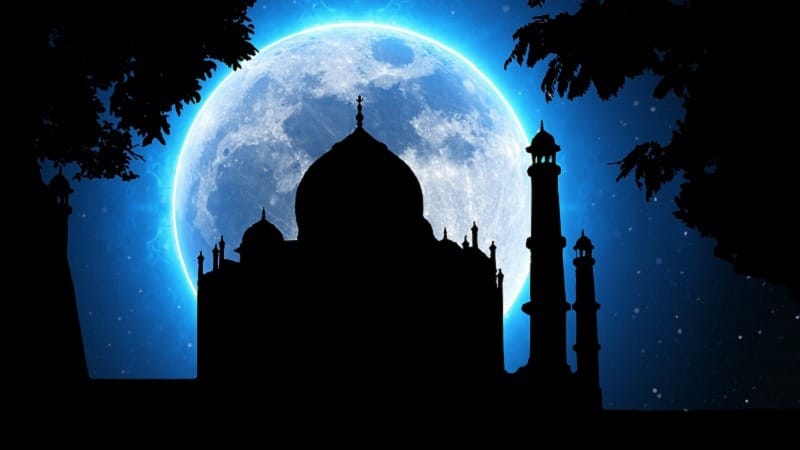
There is a garden, Mehtab Bagh or "the Moonlight Garden" just across the river. This was the emperor's favorite place to view the Taj Mahal at night by moonlight. On full moon nights, the shadow of the mausoleum was cast on the water of the pond creating a reflection of the Taj Mahal in black. Today the pond is dry.
Shah Jahan's tomb is the only component that breaks the perfect symmetry of the Taj Mahal. Clearly such a tomb did not fit into the original design of the mausoleum. This to many is an indication that the meticulous emperor had other plans for his remains. But with the love he professed for his beloved, it is strange that his plans were far from the "Chosen One of the Palace".
We will never know if the Black Taj Mahal was a reality or a mere legend, but what is clear is that it will continue to be the subject of debate and research for many years to come. Shah Jahan has managed to inspire millions of people with his romantic love, not very common at that time in the East. And he will continue to captivate with his magic all travelers who cross his portico to the paradise of the "Pearl of the Palace".
The complex at present
- Unfortunately, the marble of the mausoleum is deteriorating and taking yellowish color due to the contamination of Agra. To reduce the impact of pollution in the mausoleum area, only electric and pedal-powered vehicles are allowed around the complex.
- In recent years the mausoleum's marble has been threatened by the droppings of a plague of mosquitoes that live in the waters of the Yamuna River. In the past the fish ate the algae but due to the pollution of the river the fish have died and the algae help the proliferation of these mosquitoes. There are projects to exterminate the algae and the marble is cleaned periodically.
- The complex is guarded 24 hours a day, 365 days a year as it has been the target of war and terrorist attacks in the past.
Visiting the Taj Mahal
Why visit the Taj Mahal
In addition to being one of the 7 modern wonders, the Taj Mahal has been a source of inspiration for thousands of artists and visitors from all corners of the world. And they say that once you cross the gate to Mumtaz Mahal's paradise, even if you walk away, the Taj Mahal stays with you...
Taj Mahal entrance fee
You're probably wondering how much the entrance fee to the Taj Mahal is... General admission for foreigners costs 1100 Indian rupees and you will have to pay 200 rupees more to visit the mausoleum.. This price includes a bottle of water and disposable shoe covers that must be used in the mausoleum area. Children up to 15 years old can visit free of charge (general admission during the day).
Where to buy your ticket for the Taj Mahal
You can buy the ticket to visit the Taj Mahal either at the ticket office upon arrival or online at the official website.
Buy Taj Mahal ticket online
If you decide to purchase your ticket online, do so only through the official website of the Taj Mahal or recognized tour companies. Once you make the payment online, you will receive the confirmation and the ticket to your email, you must print it to present it at the entrance with your passport.
Buy tickets for the Taj Mahal at the box office
This is the traditional option to purchase the ticket and you should be aware that depending on the dates and time of the day and time of the day there may be a waiting line at the box office.
How to get to the Taj Mahal in Agra - (The Taj Mahal where is it)
Arriving in Agra by train: there are very good connections from most cities in the country. The Delhi-Agra journey can take between 1.5 and 3 hours depending on the train you choose. You have options with Shatabdi, Rajdhani and Taj Express. Agra has three stations: Agra Cantonment (the main station), Raja-ki-Mandi and Agra Fort (closest to the Taj Mahal but not many trains stop at this station).
How to get to the Taj Mahal (Agra) by bus: the main station is called Idgah. The journey time from Delhi to Agra is 5 hours.
Arriving by private car: you can book with Ola Cabs or with a local agency.
1 day excursions to the Taj Mahal: include private transportation and English speaking guide during the visit to the complex. Here is the link to day trips to the Taj Mahal from New Delhi.
Once you arrive in Agra, you can move around the city and reach the Taj Mahal by tuk tuk, rickshaw or cab. Remember to download the Ola Cabs App for your cab or tuk tuk reservations and avoid headaches and price negotiations.
Taj Mahal Schedule
The site opens 30 minutes before sunrise and closes at sunset, so the schedule is not fixed and varies throughout the year.
Taj Mahal closed! Don't make this mistake
The Taj Mahal complex is closed every Friday of the year. It is the day of worship for Muslim believers and the Mosque of the complex is opened for prayer.
The best day and time for your visit
If you can, avoid weekends and holidays as there will be a lot of visitors and you may be overwhelmed. They say that the best and quietest day for your visit is Thursday. Regarding the schedule, I personally like to visit the mausoleum in the light of sunrise and sunset, when it has a special magic. But this is a matter of taste, many people prefer the hours between 12 and 3 pm as there are less people but for my it is too hot.
Best time to visit the Taj Mahal
This architectural work can be enjoyed throughout the year but if you can choose the dates I recommend avoiding the monsoon months (July to September) and the hottest months (April to June) because in Agra can reach 45ºC. You should also know that the winter months (especially December and January) is usually quite foggy, so if your visit is on these dates you better organize to see the Taj Mahal at noon and avoid the morning hours. To sum up, the best time to visit the Taj Mahal would be from October to March. When planning your trip it is important to take into account the weather in India to get the most out of your trip.
The 3 entrances to the complex - Taj Mahal location
- Fatehpuri Gate, the west or main entrance: has a locker area where you can leave your belongings if you need them.
- Fatehabad Gate, the east entrance: is located almost a kilometer from the locker and there is usually no queue to enter. The best entrance if you have bought the tickets online, you save a lot of time.
- Sirhi Darwaza, the south entrance : only has exit access
All the entrances have security control and they are quite strict checking bags and backpacks. So check well the rules and objects that you can not carry, otherwise you will lose time taking it to the locker and you will have to queue again to enter the enclosure.
Rules during your visit to the site
- The drones are not allowed on the premises
- It is forbidden to eating, smoking and drinking alcohol
- Lighters, guns and knives are not allowed.
- You cannot enter with headphones, chargers, cables and other electrical devices.
- The Tripods of all sizes and the selfie sticks are not allowed (although sometimes some slip through the cracks).
- You cannot enter with books or very large backpacks
- You should avoid touching the walls of the monument
- Inside the mausoleum it is not allowed to take pictures and telephones must be on silent
- During the night visit, in addition to the above, it is also not possible to enter with cell phones
Keep this in mind to prepare your backpack before visiting the resort, but don't worry too much about it because a free locker is available at the entrance to leave your belongings..
Tips for visiting the Taj Mahal
- Don't put your focus on taking the perfect picture in the crowd and live the experience
- If the visit is in winter, avoid early morning hours as there will be fog
- As long as you have a choice, avoid visiting on weekends and holidays as there are many more visitors
- Make the most of your 3 hours of visit and discover every corner of the complex
- If you hire a guide at the site, make sure that he/she has the official guide card
- Buy your ticket online and access the complex through the east door as there are fewer queues (remember not to bring objects that are not allowed as the luggage room is at the main entrance).
Where to enjoy the best views of the Taj Mahal
If you like experiences outside of the commercial and are looking for something different... here are some ways you can see the Taj Mahal from a different perspective.
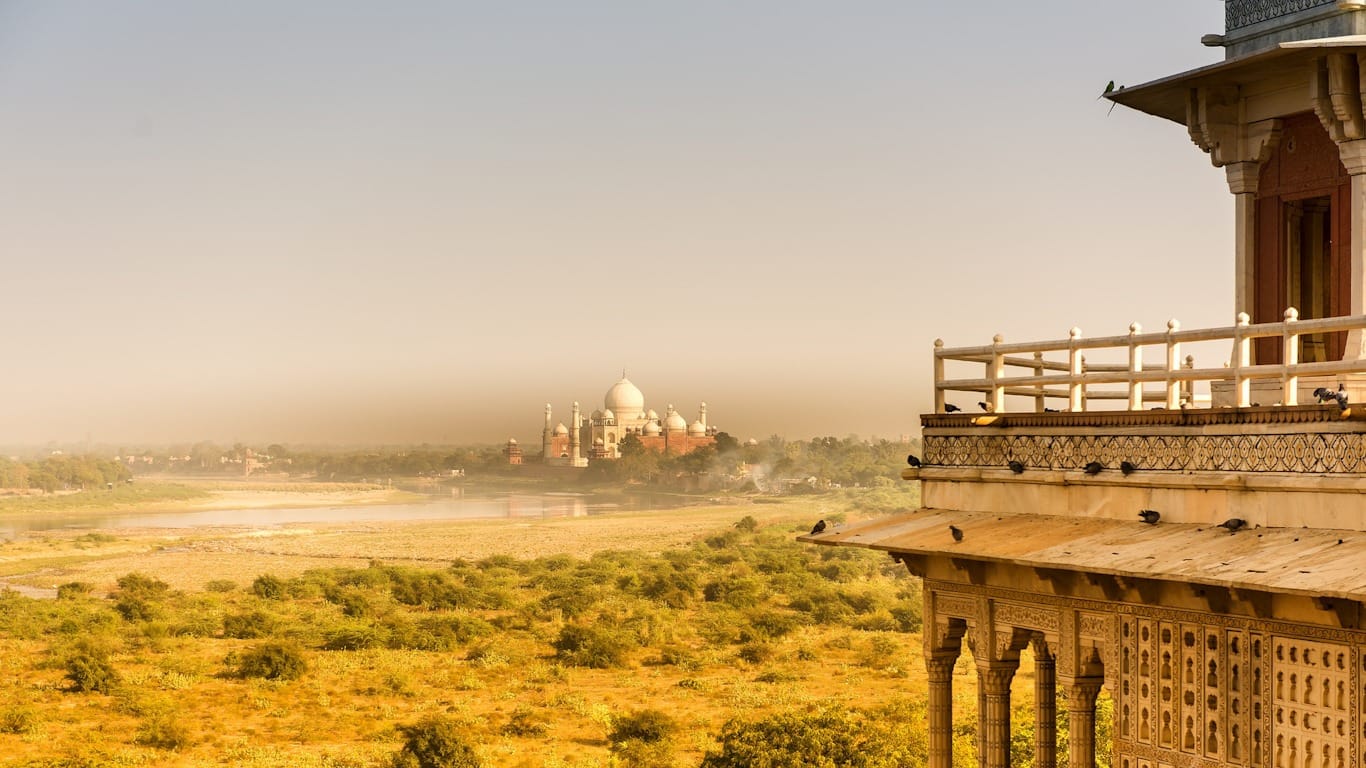
Agra Fort
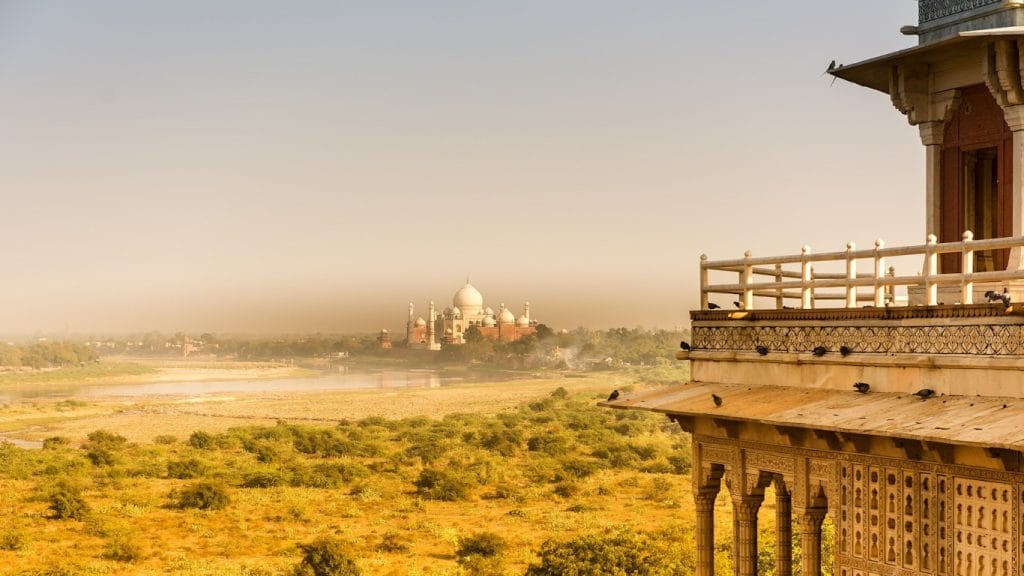
From the Agra Fort you will have spectacular panoramic views of the mausoleum. You will be able to witness the same views of the Taj Mahal that the Mughal Emperor had in his last breaths of life.
Mehtab Bagh Gardens
For several years, Shah Jahan spent many hours in this garden looking at the stars and the tomb where the remains of his beloved rest. The entrance to the garden costs 200 Indian rupees.
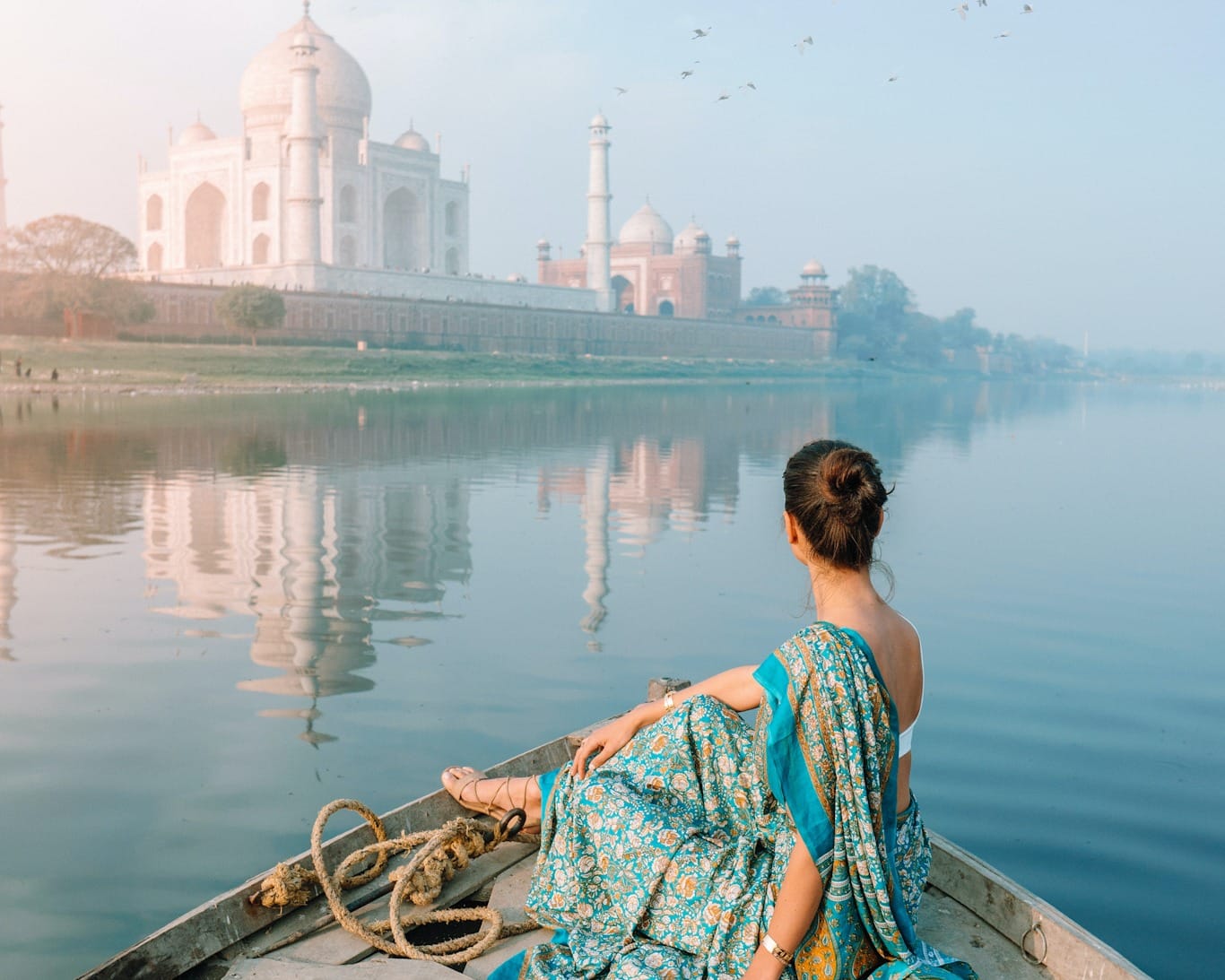
On the Yamuna River
The views of the mausoleum from the river are spectacular, especially at sunrise. From your hotel you can take a cab to Mehtab Bagh garden and once there you can take a boat to cross the river.
From a hotel terrace
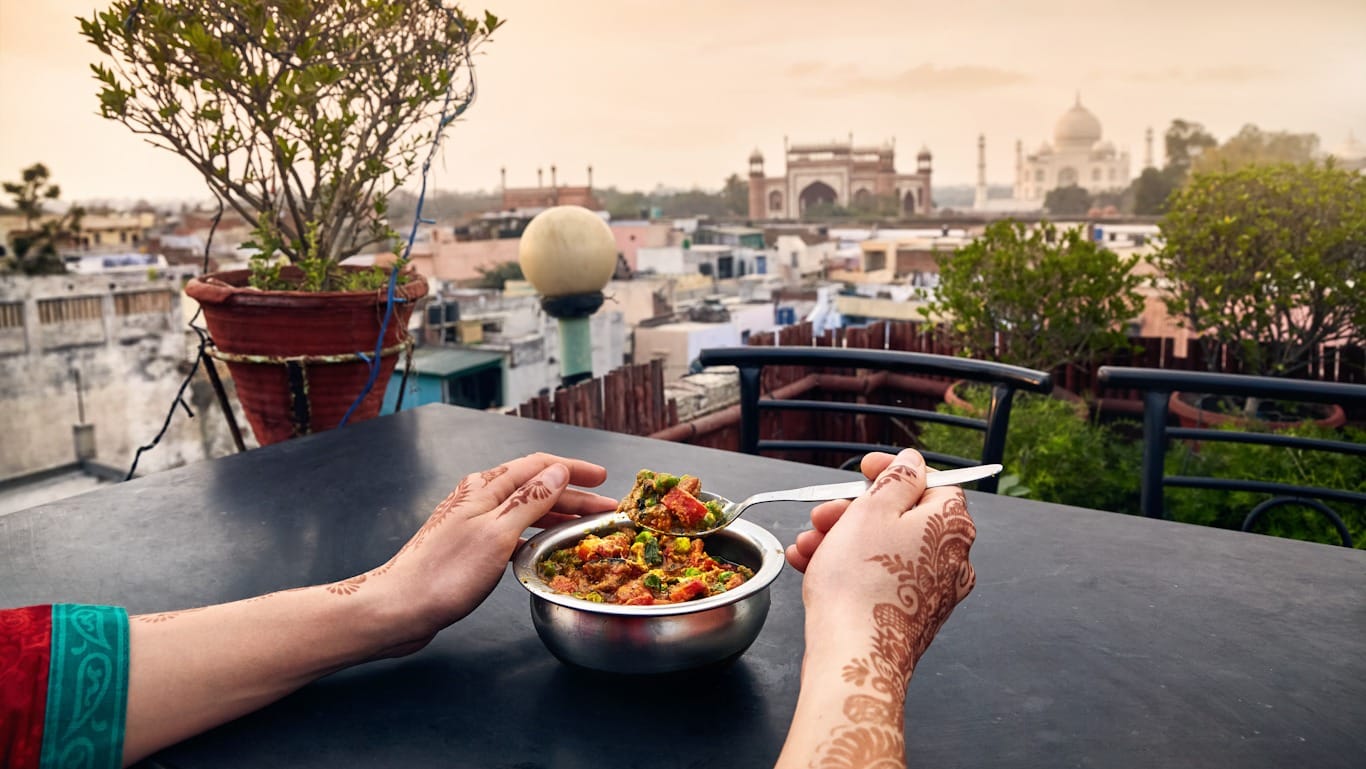
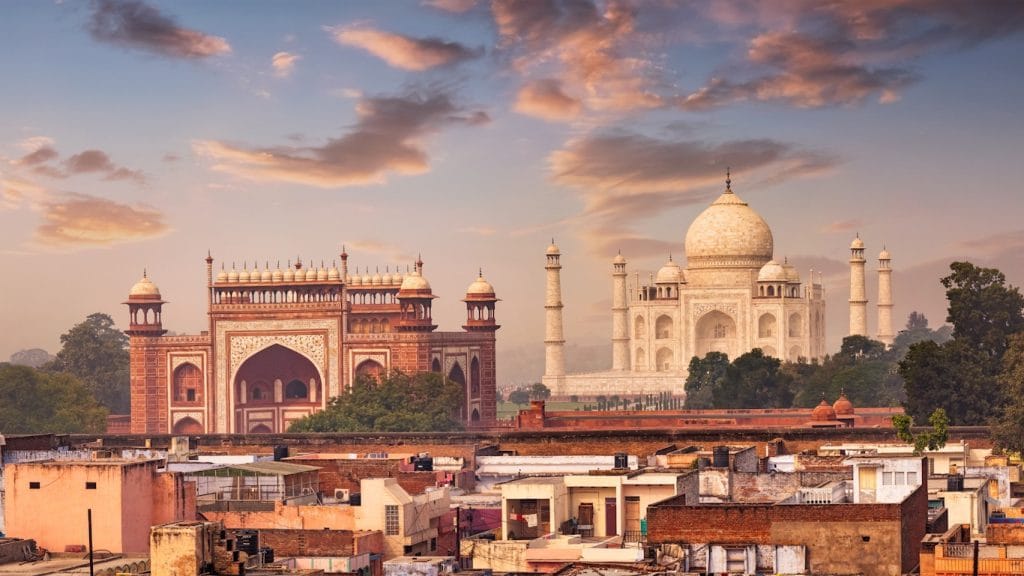
Enjoy breakfast or lunch at a restaurant with a rooftop terrace overlooking the most beautiful monument made by love.
Visit the Taj Mahal by night
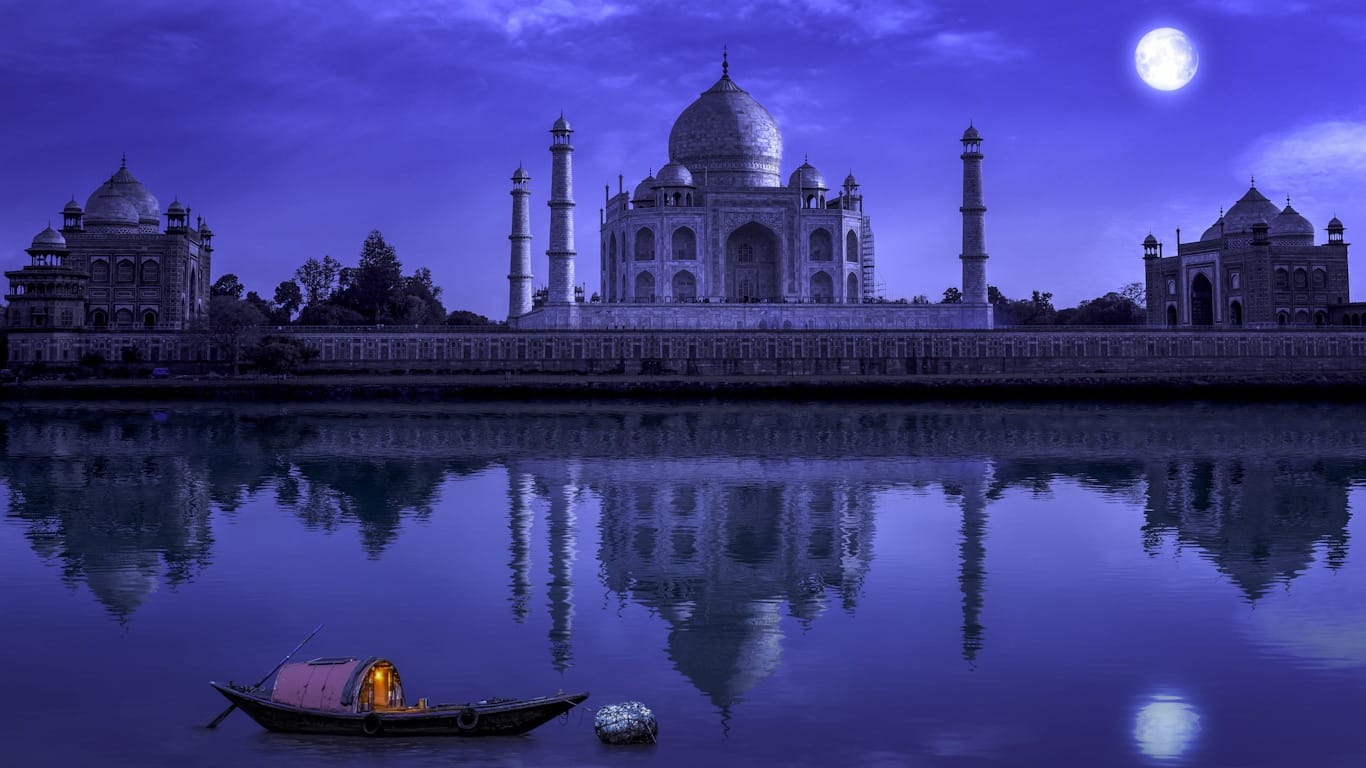
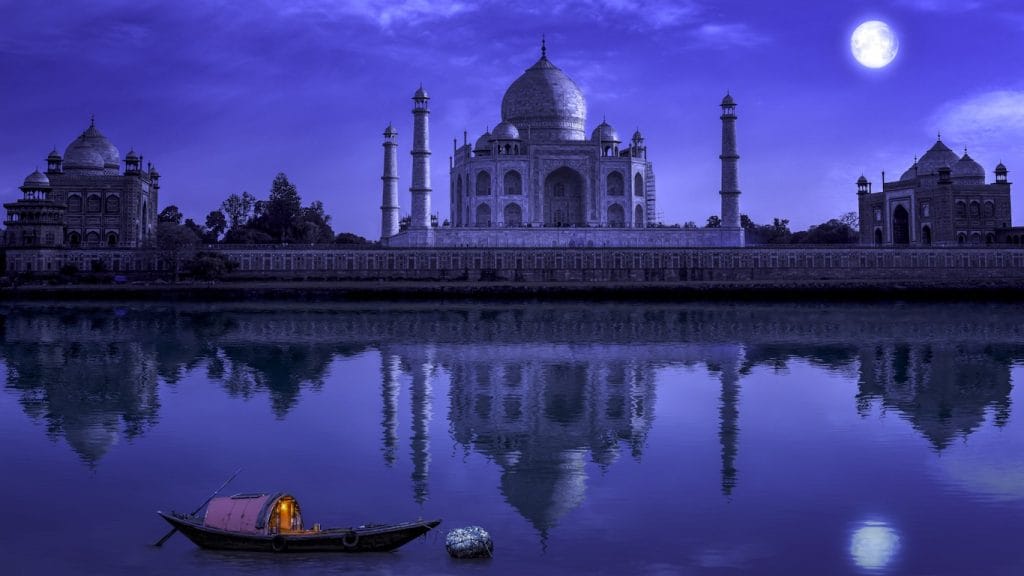
If you want to see the Taj Mahal at night and under the moonlight, it is possible! You can make a night visit on a full moon day. Seeing the mausoleum illuminated by moonlight and watching the reflection of the moon on the Yamuna River is amazing.
When can the Taj Mahal be seen at night?
The night visit to the Taj Mahal can be made 5 nights per month: the night of the full moon as well as the two nights before and after. On Fridays and during Ramadan, night visits are not available.
Timetable for visiting the Taj Mahal at night
The night tour lasts 30 minutes and the opening hours are from 20:30 to 00:30. The visit is guided and each group has a maximum of 50 people.
Entrance fee to the Taj Mahal by night
The price is 750 Indian rupees for adults and Indian 500rupias for children between 3 and 15 years of age.
Where to buy your night ticket for the Taj Mahal
You must buy your ticket at Archaeological Survey of India one day in advance between 10am and 6pm. Here are the contact details: Archaeological Survey of India (A.S.I) 22, Mall Road, Agra phones: +91 0562 - 2227261, 2227263, e-mail: asiagra@sancharnet.in
Taj Mahal Photo Gallery
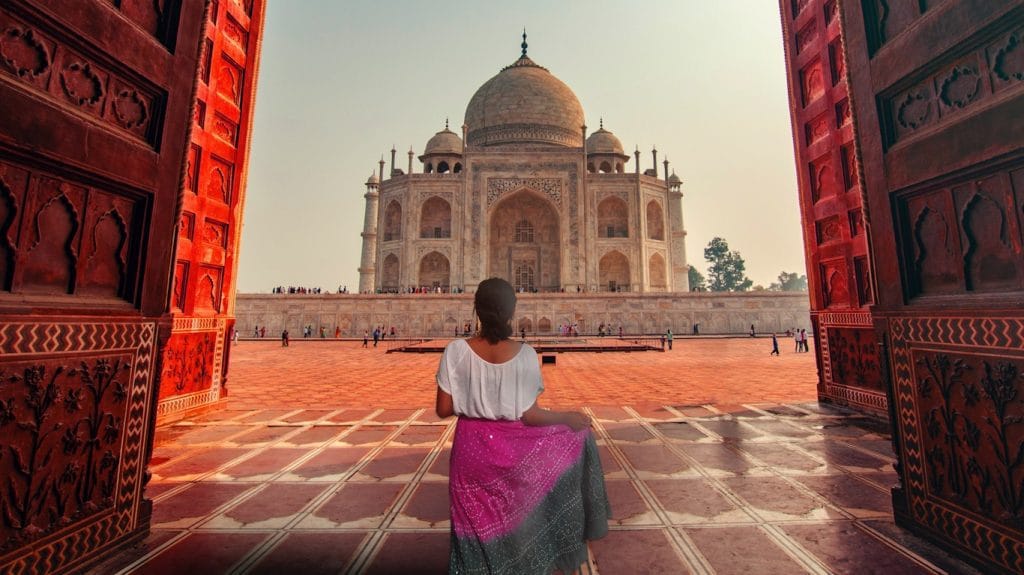
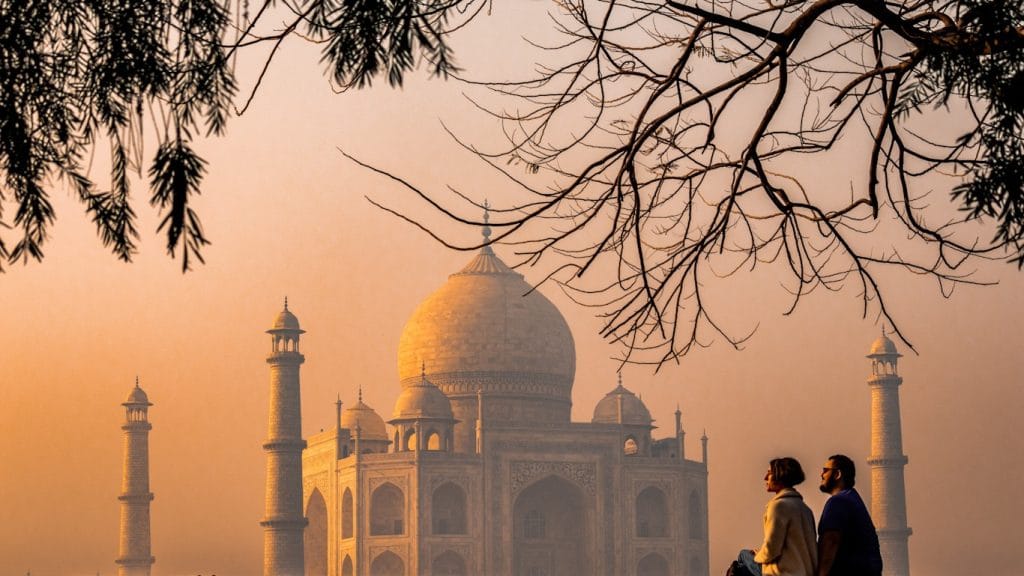
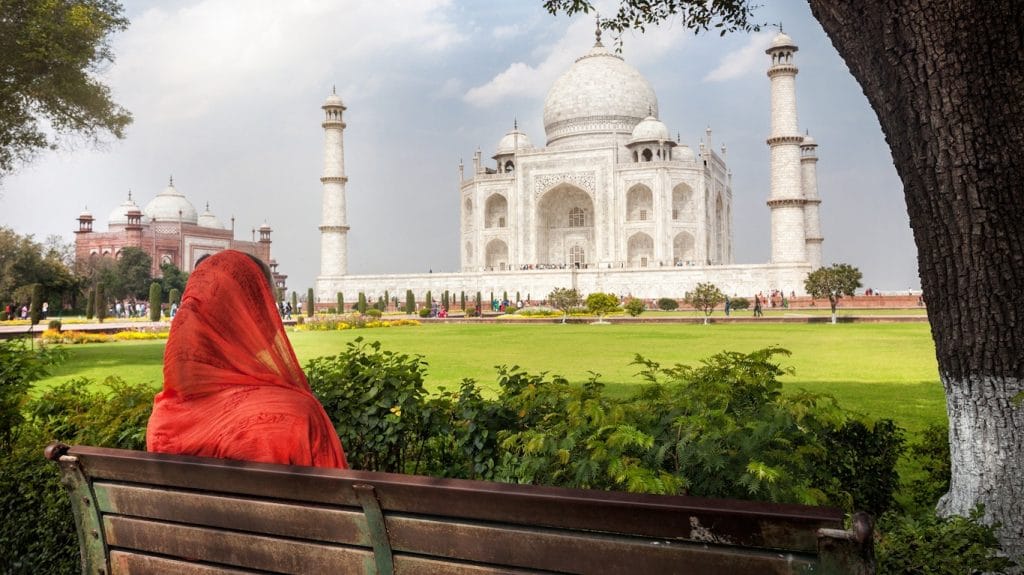
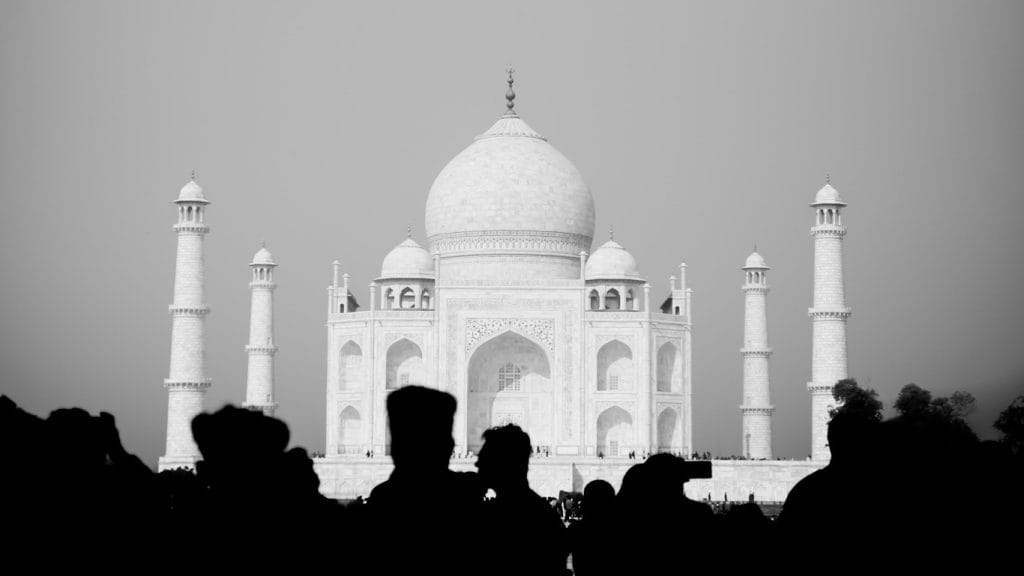
This architectural work is one of the most photographed in India. Here you can see many images of the Taj Mahal and start dreaming about your next visit.
Hotels in Agra - Sleep near the Taj Mahal
If you are spending the night in Agra I recommend you to book an hotel in the Taj Ganj area . You can walk to the mausoleum and many of the hotels have restaurants and rooftops with spectacular views of the Taj Mahal. In my article how to find the best accommodation, I recommend you several hotels.
Taj Mahal Tours:
I hope that this Travel Guide for the Taj Mahal is useful for the organization of your visit. And once there, you enjoy the experience . And don't forget to stop by here again and let me know how was your experience!

Leave a Reply