
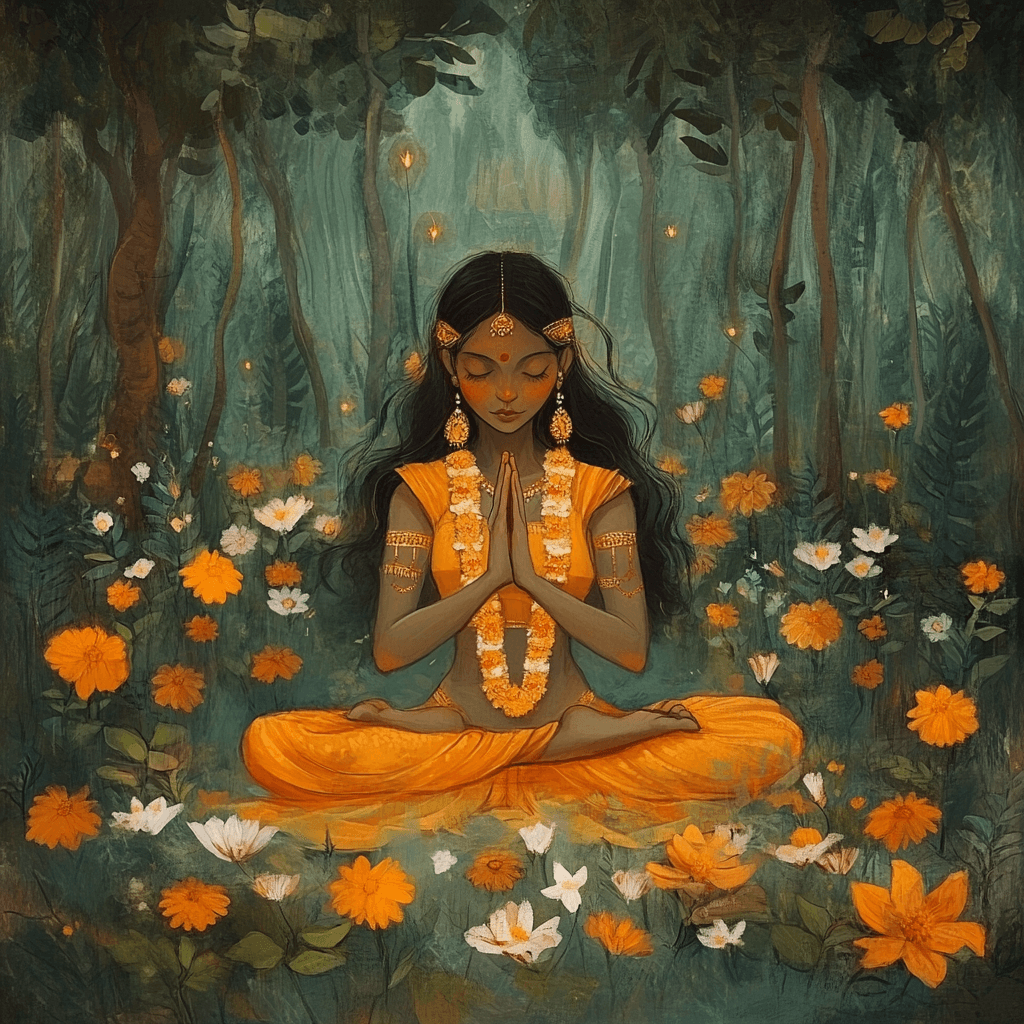
The journey to wellness is, in reality, a journey within. Since ancient times, India has been a beacon for those who seek reconnect with your deepest self. These ancient wellness techniques not only offer relief for the body, but open the door to a journey of self-knowledge, personal growth and inner peace by offering a holistic approach to caring for the body, mind and spirit. It's no wonder that, today, many travel to India to rediscover oneself and find balance in these practices (my first trip to India was to do a yoga intensive).
Indian ancestral wisdom encompasses several fundamental disciplines such as yoga, meditation, pranayama and Ayurveda, all designed to guide us on the road to integral health.
If you've ever felt the need to reconnect with yourself or find a deeper balance in your life, these ancient wellness practices in India may be the key you're looking for.
Yoga: More than Postures
When we think of yoga, we often associate it with complex postures and flexible bodies, but yoga is much more than that. In fact, yoga is much more than that, the word "yoga" means "union", and its main purpose is to achieve a deep connection between body, mind and spirit.
Yoga is not a monolithic discipline, but has multiple forms and styles to suit different needs and personalities. Here are some types of yoga that you could explore and discover which one suits you best:
- Hatha Yoga: This is classic yoga, the yoga practice, which you are likely to find in many introductory classes, is a gentle and balanced approach that combines physical postures (asanas) with breathing techniques. It is a gentle and balanced approach that combines physical postures (asanas) with breathing techniques. It is ideal if you are looking for a form of yoga that helps you relax while improving your strength and flexibility.
- Ashtanga Yoga: If you prefer something more challenging, Ashtanga may be just what you need. It is a dynamic and vigorous stylein which the postures are performed in specific sequences and synchronized with the breath. It is perfect for those looking for an intense physical practice that also helps to calm the mind.
- Kundalini Yoga: This type of yoga focuses on awakening latent energy, known as kundalini, which is said to lie at the base of the spine. Through a combination of postures, breathing and mantras, Kundalini Yoga seeks to release this energy and raise it throughout the body. It is a deeply spiritual experience.
- Bhakti Yoga: If you are a more emotional and devotional person, Bhakti Yoga is for you. It is about channeling love and devotion to the divine through chants, mantras and simple but profound rituals.
- Raja Yoga: Known as the "royal path" of yoga, Raja Yoga focuses on meditation and mind control. It is ideal if your goal is deep meditation and reaching higher states of consciousness.
Each style has its own magic, and the best thing to do is to try different types to discover which one resonates with you the most. I personally like Hatha Yoga but I connect a lot with Bhakti Yoga and Raja Yoga as well, depending on my physical-mental state.
Meditation: The Art of Being Present
Meditation is one of the fundamental pillars of wellness in India, and its regular practice can bring countless benefits to your life. Best of all, you don't need any special equipment to get started; just a quiet place and a few minutes out of your day.
Here I tell you about some of the best known techniques:
- Vipassana Meditation: This ancient technique focuses on observing reality as it is, without judgment. Through mindfulness of breath and body sensations, Vipassana invites you to discover the transitory nature of emotions and thoughts. It is a very powerful meditation for those seeking self-knowledge and inner peace.
- Transcendental Meditation: This technique is based on the mental repetition of a specific mantra. It is believed that by doing so, you can transcend surface thoughts and enter a state of deep peace. It is ideal for those seeking a simple and effective meditation.
- Chakra meditation: If you are curious about energy and the energy centers of the body, you will love this type of meditation. It focuses on visualizing and balancing the seven main chakras of the body, promoting a harmonious flow of energy.
- Mantra meditation: The repetition of mantras, sacred words or phrases, is a simple but powerful technique. Chanting or repeating mantras such as "Om" can help you focus your mind and open you to deeper spiritual experiences.
Meditation is not a practice of immediate results; it is a path that you walk day by day and at the beginning it may frustrate you. The important thing is to be patient with yourself and allow yourself to gradually get closer to the space of inner tranquility you are looking for.
Pranayama: The Power of Breathing
Have you ever stopped to notice how you breathe? In most cultures, breathing is something we take for granted, but in India, the breath is seen as a vital source of energy or "prana". The Pranayama is the science of breath control, and practicing it can transform your physical, mental and emotional state.
The majority of society should to learn to breathe as we are accustomed to unhealthy patterns.
Some popular techniques you can try include:
- Nadi Shodhana (Alternate Breathing): This technique balances the hemispheres of the brain and cleanses the energy channels. Breathing alternately through one nostril and the other can help you find inner balance, reduce stress and improve concentration.
- Kapalabhati (Fire Breathing): This is a fast and powerful breathing technique, where the exhalation is fast and forced, while the inhalation is gentle and passive. It is excellent for purifying the lungs and increasing energy in the body.
- Bhramari (Bee Breathing): Imitating the buzzing sound of a bee on the exhale, this technique induces a state of deep calm and is especially useful if you suffer from anxiety or insomnia.
- Ujjayi (Victorious Breathing): This type of slow, controlled breathing produces a gentle sound similar to the sound of ocean waves. It has a calming effect on the nervous system and is ideal for yoga practice or as a meditation in itself.
- Sitali Pranayama: This cooling technique involves inhaling air through the rolled tongue. It is ideal for reducing internal heat, both physical and emotional, and is perfect for cooling down in hot weather or calming anger and irritation.
- Bhastrika Pranayama (Bellows Breathing): It is characterized by rapid and strong inhalations and exhalations, similar to a bellows. It is excellent for energizing the body, increasing lung capacity and improving digestion.
- Surya Bhedana Pranayama (Solar Breathing): This technique involves inhaling through the right nostril and exhaling through the left. It is used to warm the body and stimulate internal solar energy, making it ideal for times when you need a boost of vitality.
- Chandra Bhedana Pranayama (Moon Breathing): Contrary to solar breathing, this technique involves inhaling through the left nostril and exhaling through the right. It helps to cool the body and calm the mind, promoting introspection and relaxation.
- Murcha Pranayama: This is an advanced technique in which the breath is controlled until a state of near "blackout" or conscious lethargy is reached. It is a very powerful technique that induces a deep state of mental stillness, but should be practiced with great care under the guidance of an experienced teacher.
- Anulom Vilom (Advanced Alternate Breathing): Similar to Nadi Shodhana, this more advanced technique also involves alternate breathing, but at a more controlled and prolonged pace, allowing for greater purification of the energy channels.
Breathing is something we always carry with us, so integrating pranayama techniques into your daily routine can be a simple way to improve your well-being. Plus, the results of this practice are almost immediate 🙂
Ayurveda: The Science of Life
The Ayurveda is much more than a system of medicine; it is a complete approach to healthy living. Based on ancient Vedic texts, this health system seeks to balance the three doshas: Vata (air and space), Pitta (fire and water) and Kapha (water and earth). Each person has a unique combination of these doshas, and when they are in balance, one enjoys health; when they are out of balance, diseases may appear.
Ayurveda is not only focused on treating diseases, but also on preventing them by means of the balance of diet, lifestyle, and use of natural remedies. Some key concepts of Ayurveda include:
- Personalized Diet: Depending on the combination of your doshas, you are recommended to follow a specific diet to maintain your balance. For example, if you have a Vata constitution, you may need hotter and more humid foods, while if you have a Pitta predominance, it is advisable to avoid spicy or very acidic foods.
- Herbs and Natural Remedies: Ayurveda uses medicinal plants and herbs to heal and maintain balance in the body. From turmeric and ginger to lesser known plants such as ashwagandha, each plant has unique healing properties.
- Daily Routines (Dinacharya): Following daily routines aligned with the body's natural cycles is fundamental in Ayurveda. This includes practices such as waking up before sunrise, meditation, gentle exercise and eating at appropriate times.
- Massages and Body Treatments: The use of medicated oils for massage is a common practice in Ayurveda. These massages not only relax the muscles, but also promote detoxification and rejuvenation.
- Panchakarma: This is a set of deep purification therapies performed under the supervision of experts. It includes techniques such as enemas, sweating and massages, designed to eliminate toxins from the body and make a total RESET.
Ayurveda teaches us to live in harmony with nature and our own bodies. More than a medicine, it is a philosophy of life that seeks complete wellness.
The ancient wellness techniques of India are a gift that has transcended generations and fortunately, in the last decade, have become very popular in the West. Whether you practice yoga, meditate, experiment with pranayama or adopt the Ayurvedic lifestyle, each of these disciplines can help you find greater balance, peace and health in your daily life. The beauty of these practices is that they don't require you to completely transform overnight; you can start slowly, integrating these teachings into your routine.
Important warning: These wellness techniques should be practiced under the supervision of a qualified professional, adapting them to individual needs and capabilities. This content is for informational purposes only and is not a substitute for professional advice. Before beginning any practice, consult with a certified instructor or health professional, especially if you have pre-existing medical conditions.

Leave a Reply